Ava Wilson
 Are you tired of squinting under the scorching sun or struggling with glare on bright, reflective surfaces? We understand the struggle of finding the right sunglasses that not only shield your eyes but also enhance your visual comfort. That’s why we’ve created this blog post to help you navigate the world of safety sunglasses and choose the lenses that best suit your needs. Whether you’re an outdoor enthusiast, a sports lover, or simply seeking reliable eye protection, join us as we delve into the realm of clear, tinted, and polarized lenses – because your eyes deserve nothing but the best.
Protect Your Eyes in Style: Bestselling Safety Sunglasses

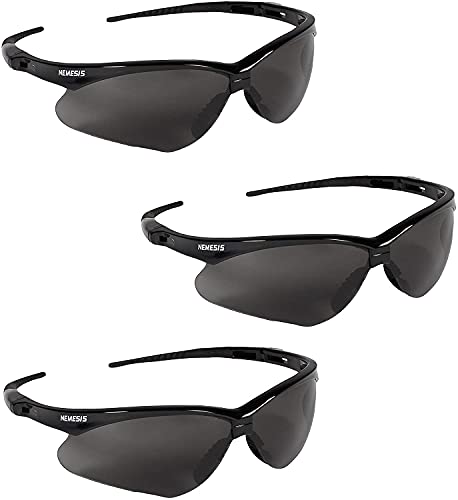
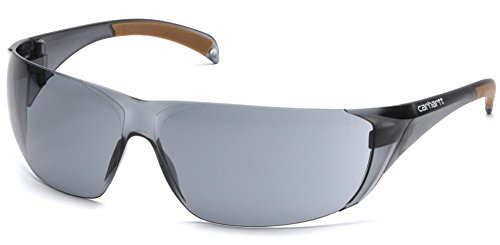

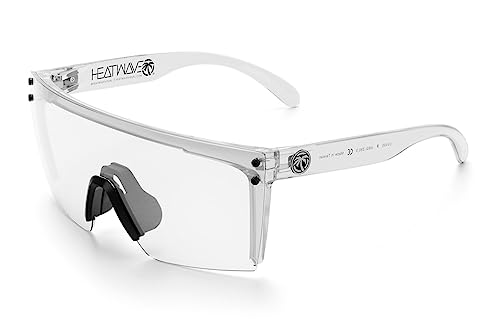
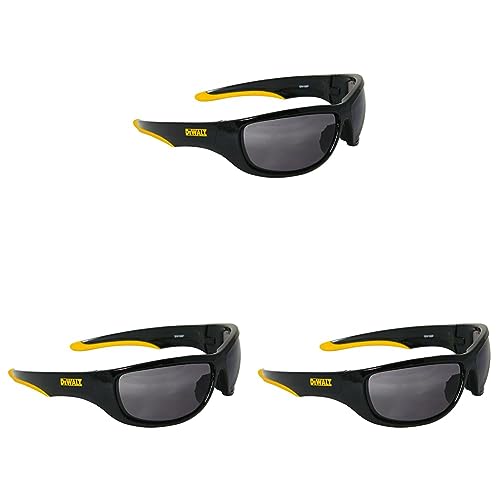
Clear Lenses
Clear lenses are an essential choice for safety sunglasses, offering the utmost visibility while ensuring eye protection in various working or recreational environments. By effectively filtering harmful UV rays without distorting color perception, clear lenses are the go-to option for indoor or low-light conditions. In this blog post, we will delve into the benefits and applications of clear lenses, enabling you to make an informed decision about your eye safety needs.
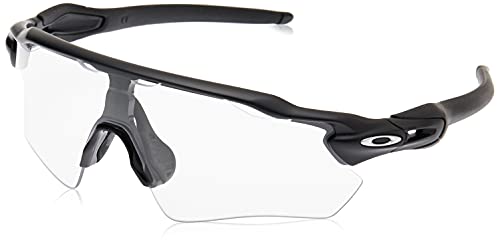
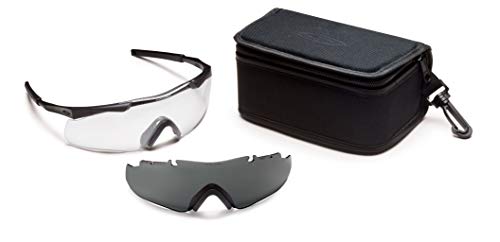
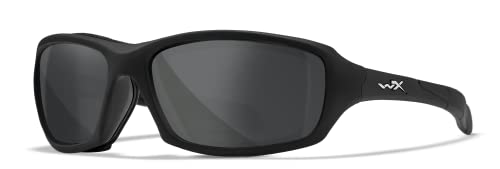
Unveiling the Benefits of Clear Lenses
Clear lenses offer a multitude of advantages that make them highly desirable for a range of tasks and activities. Below, we outline the key benefits of choosing clear lenses for your safety sunglasses:
- Maximum Visibility: With clear lenses, you can enjoy unobstructed vision in low-light conditions. Unlike tinted lenses, which can dim your sight, clear lenses allow for optimal clarity and excellent light transmission, providing enhanced visibility throughout the day.
- Protection from Harmful UV Rays: Clear lenses are designed to block 100% of harmful UVA and UVB rays. While maintaining unhindered vision, they prevent these damaging rays from reaching your eyes, reducing the risk of long-term eye damage caused by UV exposure.
- Uncompromised Color Perception: Unlike tinted lenses that can alter color perception, clear lenses maintain the natural appearance of colors. Whether you’re performing intricate tasks or enjoying outdoor activities, you can rely on clear lenses to provide accurate color representation, allowing you to work or play with precision.
- Versatility: Clear lenses are ideal for numerous applications, making them a versatile choice for various industries and hobbies. They are particularly well-suited for jobs or activities that require constant visual attention and unaltered color perception.
- Harsh Weather Protection: Clear lenses also shield your eyes from external elements such as wind, dust, and debris. If you work in construction or enjoy outdoor pursuits like biking or hiking, clear lenses offer invaluable protection, ensuring your eyes remain safe and comfortable under any weather conditions.
Applications of Clear Lenses
Clear lenses find their utility in several fields where unobstructed vision and eye safety are paramount. Some notable applications include:
Indoor Workplaces and Laboratories
- Laboratories: Clear lenses are a staple in laboratory conditions, where visual accuracy and protection from hazardous chemicals or fragments are essential.
- Manufacturing and Assembly: In indoor industrial environments, clear lenses allow workers to inspect and assemble products with precision while keeping their eyes shielded from potential hazards such as sparks or flying particles.
- Indoor Construction: Clear lenses are preferable for those working indoors in the construction industry, allowing them to navigate job sites safely and efficiently.
Hobbies and Recreational Activities
- Mechanics and Automotive Enthusiasts: Clear lenses are indispensable for mechanics or automobile enthusiasts working on intricate tasks that require undistorted vision.
- Arts and Crafts: Clear lenses are advantageous for artists, crafters, and DIY enthusiasts who rely on accurate color perception to create their masterpieces.
Clear Lenses vs. Tinted Lenses: Which Is Right for You?
| Clear Lenses | Tinted Lenses | |
|---|---|---|
| Visibility | Maximum | Reduced in low-light conditions, but helpful in bright sun |
| UV Protection | 100 % | 100 % |
| Color Accuracy | Natural | Altered perception, may affect color-sensitive tasks |
| Versatility | Versatile | Specific to bright conditions or specific professions |
Choosing between clear and tinted lenses ultimately comes down to the specific environment and activities you anticipate. If you primarily operate in low-light conditions, clear lenses offer optimal visibility and protection. On the other hand, if your work or recreational activities primarily occur in bright, sunny settings, tinted lenses may provide the needed sun glare reduction.
In conclusion, clear lenses offer an unmatched combination of visibility, protection, and versatility, making them a reliable choice for indoor or low-light environments. Whether you’re working in a lab, managing a manufacturing facility, or pursuing your hobbies, clear lenses ensure that your vision remains sharp and your eyes stay protected. Invest in a pair of safety sunglasses with clear lenses to experience the benefits firsthand and safeguard your vision in any situation.
Tinted Lenses
When it comes to eye protection, tinted lenses are an excellent choice. They not only shield your eyes from harmful UV rays but also reduce glare, providing a comfortable and clear vision. Available in a range of shades, these lenses are popular among outdoor enthusiasts and athletes. In this blog post, we will explore the benefits of tinted lenses and discuss why they are an essential accessory for your outdoor activities.


Protecting Your Eyes from UV Rays
- Tinted lenses are designed to block harmful ultraviolet (UV) rays emitted by the sun.
- They act as a barrier, reducing the risk of eye damage and conditions such as cataracts, macular degeneration, and photokeratitis.
- Different shades of tint offer varying levels of UV protection, so ensure you choose lenses with an appropriate level of blockage.
Reducing Glare for Clear Vision
- Glare occurs when light reflects off surfaces such as water, snow, or shiny objects, resulting in discomfort and impaired vision.
- Tinted lenses significantly reduce glare, enabling you to see more clearly even in bright sunlight.
- By reducing eye strain caused by glare, these lenses enhance visual comfort, making your outdoor activities more enjoyable.
Enhancing Visibility with Different Tints
- Tinted lenses come in various shades, each offering unique advantages depending on the environment or activity.
- Grey and green tints are popular choices for everyday use as they provide natural color perception and reduce overall brightness.
- Amber or brown tints enhance depth perception, making them ideal for activities like hiking and cycling.
- Yellow tints are known to increase contrast, improving vision in low-light conditions such as fog or overcast days.
- Mirror coatings, available in combination with tints, further reduce glare and offer a stylish look.
Suitable for Different Outdoor Activities
- Tinted lenses are a must-have for a range of outdoor activities, including hiking, cycling, fishing, and sports such as golf or skiing.
- Moderate tinting is suitable for most situations, offering optimal vision without compromising brightness.
- Darker tints are ideal for intense sunlight, making them suitable for beach vacations or high-altitude trips.
Choosing the Right Tinted Lenses
- Consider your outdoor activities and the lighting conditions you will encounter.
- Consult with an eye care professional or optician to determine the most suitable tint for your needs.
- Remember, the darkness of the tint does not equate to increased UV protection. Look for lenses that explicitly mention their UV blocking capabilities.
Polarized Lenses
When it comes to enjoying outdoor activities, one thing you definitely don’t want to overlook is the importance of quality eyewear. Whether you’re sailing across the glistening ocean, hitting the slopes, or cruising the open road, the last thing you want is for blinding glare to hinder your vision. This is where polarized lenses come to the rescue, providing superior clarity, enhanced color perception, and reduced eye strain. In this blog post, we will dive deep into the benefits of polarized lenses, explaining why they are a game-changer for your visual experience.
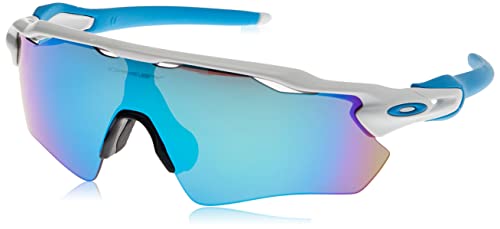

Understanding the Concept of Polarized Lenses
To grasp the significance of polarized lenses, it’s essential to understand the concept of polarization. Light typically scatters in all directions, but when it encounters a flat surface, such as water, snow, or pavement, it becomes horizontally polarized. This horizontally polarized light causes glare, impeding your vision and potentially leading to discomfort and eye fatigue.
Polarized lenses are specially designed to counteract this horizontal polarization. They contain a filter that eliminates the horizontally polarized light, allowing only vertically oriented light to pass through. This filtration effectively reduces glare and enhances visual clarity, making your outdoor experience much more enjoyable.
Benefits of Polarized Lenses
Reduced Glare and Improved Clarity
The primary advantage of polarized lenses is their ability to significantly reduce glare caused by reflections from flat surfaces. Here’s how they can benefit you:
- Provides a sharp, clear view by eliminating blinding glare
- Allows you to see details and colors more accurately
- Enhances contrast and depth perception, particularly in bright, sunny conditions
- Improves visibility of objects both above and below the water’s surface
Enhanced Color Perception
When wearing polarized lenses, you’ll notice a striking difference in the way colors appear. Unfiltered light can often look washed out or distorted due to glare. However, polarized lenses mitigate this issue, resulting in:
- Richer, more vivid colors
- Crisp color contrast, making it easier to differentiate between objects
- The ability to perceive subtle color variations that are otherwise masked by glare
Reduced Eye Strain and Fatigue
Long exposure to bright sunlight and glare can be exhausting for your eyes. With polarized lenses, you can minimize eye strain and fatigue, ensuring maximum visual comfort. Here’s how they help:
- Filters out harmful UV rays, protecting your eyes from potential damage
- Allows your eyes to relax, reducing the need for squinting and constant adjustment
- Provides a soothing, comfortable viewing experience, even during prolonged outdoor activities
Comparison Table
To summarize the benefits of polarized lenses, here’s a helpful comparison table:
| Benefit | Polarized Lenses |
|---|---|
| Reduced glare | ◼️ |
| Enhanced clarity | ◼️ |
| Improved color perception | ◼️ |
| Reduced eye strain | ◼️ |
| UV protection | ◼️ |
Remember, investing in a good pair of polarized lenses is not just about improving your visual experience; it also safeguards the health and well-being of your eyes.
Factors to Consider When Choosing Eyewear Lenses
When it comes to selecting the right eyewear lenses, clear, tinted, and polarized options each have their own advantages and considerations. Understanding the factors to consider can help you make an informed decision that meets your specific needs. Let’s delve into the key considerations for each lens type:
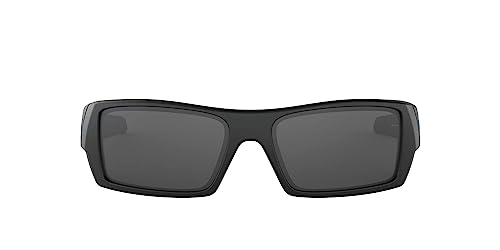

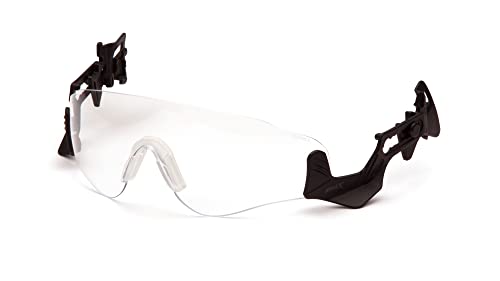
Clear Lenses: Versatile but Not Ideal for Bright Sunlight
Pros:
- Versatile for a wide range of activities and lighting conditions
- Provides clear vision without altering color perception
- Suitable for indoor use or outdoor activities without intense sunlight
Cons:
- May not offer sufficient protection against bright sunlight and harmful UV rays
- Can cause discomfort or squinting when exposed to bright light outdoors
- Reduced glare reduction compared to tinted or polarized lenses
Clear lenses are the most common choice for everyday eyewear. They provide clear vision without altering color perception, making them suitable for various activities and lighting conditions. However, they may not provide adequate protection against bright sunlight, so it is essential to consider the intended use and environmental conditions.
Factors to Consider When Choosing Clear Lenses:
- Indoor or outdoor use: Clear lenses are ideal for indoor use or outdoor activities with low to moderate sunlight.
- Eye sensitivity: If you have sensitive eyes, clear lenses may not offer sufficient protection against glare or harmful UV rays.
- General-purpose eyewear: Clear lenses are versatile and suitable for use in a wide range of activities, such as reading, working on the computer, or socializing indoors.
Tinted Lenses: Matching Needs and Sunlight Conditions
Pros:
- Various tint options available to match specific needs
- Provide adequate protection against bright sunlight and UV rays
- Reduce glare, enhancing visual comfort in bright environments
Cons:
- May alter color perception, especially with strong tints
- Tinted lenses do not suit all indoor lighting conditions
- Limited versatility compared to clear lenses
Tinted lenses offer a range of options to match specific needs and lighting conditions. They provide protection against bright sunlight and harmful UV rays and can significantly reduce glare, enhancing visual comfort. While tinted lenses can alter color perception, especially with strong tints, they are an excellent choice for outdoor activities and environments with moderate to high levels of sunlight.
Factors to Consider When Choosing Tinted Lenses:
- Specific activity or sport: Tinted lenses are popular among athletes and outdoor enthusiasts as they enhance visibility in specific lighting conditions, such as golfing, cycling, or skiing.
- Desired level of darkness: Consider the intensity of tint required for your outdoor activities. Lighter tints are suitable for low sunlight conditions, while darker tints offer more protection in exceptionally bright environments.
- Color preference: Different tint colors can affect how you perceive the world. For instance, gray lenses provide natural color perception, while brown lenses offer enhanced contrast.
To help you choose the most suitable tint, consider referring to the following comparison table:
| Tint Color | Benefits |
|---|---|
| Gray | Natural color perception, suitable for most activities |
| Brown | Enhanced contrast and depth perception |
| Yellow | Better visibility in low-light environments |
| Green | Reduces eyestrain in bright light |
| Rose or Red | Provides excellent visibility in overcast conditions |
Polarized Lenses: Superior Glare Reduction
Pros:
- Exceptional glare reduction, especially in high-glare environments
- Improved clarity and contrast, enhancing visual acuity
- Offers full protection against harmful UV rays
Cons:
- May cause minor color distortion or reduce visibility of LCD screens
- Come at a higher price compared to clear or tinted lenses
If reducing glare is your primary concern, polarized lenses are the way to go. They significantly reduce glare caused by sunlight reflecting off water, snow, or other reflective surfaces, which makes them an excellent choice for water sports, driving, or any outdoor activity where glare can be a problem. Polarized lenses also enhance clarity and contrast, improving visual acuity in various lighting conditions.
Factors to Consider When Choosing Polarized Lenses:
- Activities in high-glare environments: Polarized lenses are highly recommended for activities such as boating, fishing, skiing, and driving, where glare is a common problem.
- Screen visibility: Polarized lenses may reduce visibility of LCD screens, such as those found in some car dashboards or mobile devices. However, many modern screens are designed to be compatible with polarized lenses, so it’s important to test their compatibility before making a final decision.
In conclusion, choosing the right eyewear lenses involves considering factors such as intended use, lighting conditions, and personal preference. Clear lenses offer versatility but may not provide adequate protection against bright sunlight. Tinted lenses provide options to match specific needs, while polarized lenses excel at reducing glare. Assess your requirements and make an informed decision to ensure optimal visual comfort and protection for your eyes.
Making the Final Choice
To summarize, choosing the right lens type for your safety sunglasses depends on your specific needs. Clear lenses are suited for indoor use, while tinted lenses offer sun protection and glare reduction. For reducing glare on reflective surfaces, polarized lenses are your best bet. Make a smart investment in protecting your eyes by selecting the appropriate lens type for your safety sunglasses based on your environment and personal requirements.